



 STORIES FROM TUSCANY
Tuscany’s mountain villages need to work all year
Uncem’s new report raises questions about new residents. For Tuscan valleys, the practical test is housing, transport and everyday services.
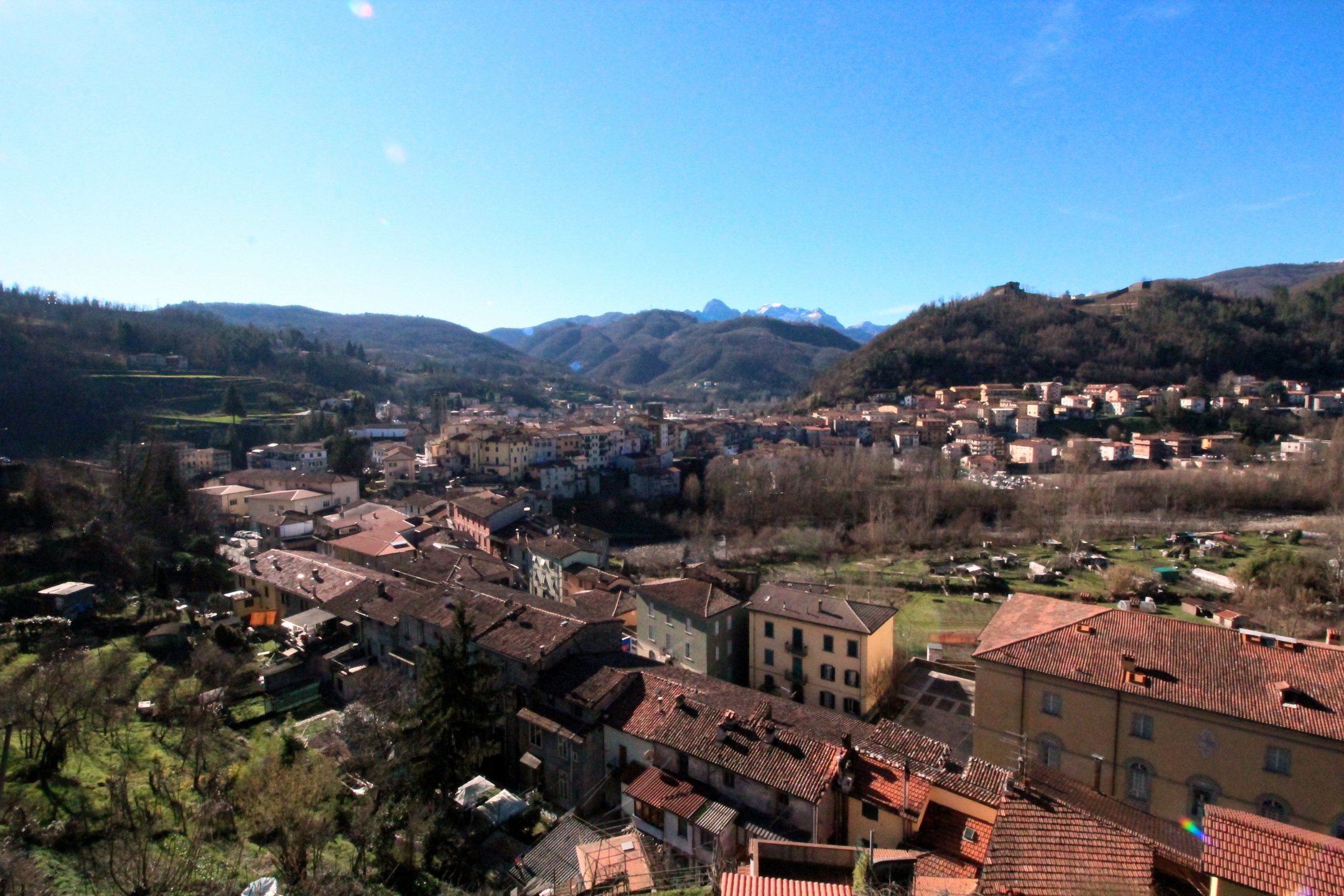
A house for sale is only the first thing to consider when asking whether a mountain village can welcome new residents. The timetable of daily life matters too: the journey to work, the school run, shopping and access to care. In Tuscany’s valleys, the relationship between a village and the service centres around it is part of its residential future.
Uncem’s preview of the 2026 Mountain Italy Report invites readers to consider mountain territories as places capable of attracting people. It does not establish the performance of every Tuscan municipality. Understanding Garfagnana, Lunigiana, Casentino or the Pistoia mountains requires evidence about individual communities and their service networks. One valley cannot stand in for another.
Regional statistics provide context, rather than a mountain-specific result. Istat records 2,814 fewer residents in Tuscany in 2024 than in the previous year. Positive internal and international migration balances did not fully offset the natural balance and statistical adjustment. These figures cover the whole region. They explain how inward migration can coexist with an overall decline, without telling us which mountain villages are growing.
For a prospective resident, the first practical distinction is between a property that can be bought and a home that can be used throughout the year. Building condition, heating, access and the availability of a rental during a trial period all affect the decision. A low price may be attractive, but it cannot describe the cost of the life being considered. A frequently used second home and a registered permanent residence also imply different patterns of presence during the week.
The next question concerns connections with the valley below. A useful assessment includes both directions of travel, actual timetables and simultaneous commitments within a household. Kilometres alone reveal less than whether a parent can complete the school run and reach work on time. A service can look close on a map and be difficult to use when needed. These conditions require local documentation rather than assumptions of equal difficulty everywhere.
Municipalities could begin by comparing questions from house seekers with those asked by existing residents. Which information is missing? Which homes are genuinely available? Which answers depend on a neighbouring municipality or another provider? Explaining this network does not require promising services that do not exist. It requires describing the current offer accurately and making unresolved problems visible.
Existing inhabitants must be part of the discussion. Attracting people should improve the conditions for those who want to stay too. Accommodation offered only to visitors may leave fewer options for a family or local worker; additional residents may help support a continuing service. Both possibilities need to be assessed, rather than treated as inevitable consequences of a move.
The national report therefore opens a more precise local inquiry. Before declaring a Tuscan mountain renaissance, we need to understand which everyday choices are workable in its different valleys. A landscape can persuade someone to pause. A usable home and a day that works can make it possible to return on Monday, and eventually to stay.
Source: Uncem — anticipazioni Rapporto Montagne Italia 2026 · published on 16 Nov 2026. Checked on 18 Nov 2026.
Read the original source ↗